Rail Freight Services from China
Comprehensive Guide to Rail Freight Services from China
Everything You Need to Know
Rail freight services are revolutionizing global trade by providing an efficient and cost-effective middle ground between air and sea freight. For businesses managing large shipments, rail transport has become an increasingly popular choice due to its reliability, environmental benefits, and reduced transit times. This guide explores the full potential of rail freight, its key advantages, popular routes, and how it can benefit your business.
1. Why Choose Rail Freight from China?
Rail freight is gaining traction as an effective shipping solution for businesses that need faster delivery than sea freight but at a lower cost than air freight. Key benefits include:
1.1 Cost Efficiency
- Rail freight offers significant savings compared to air freight while still delivering goods faster than sea freight.
- Ideal for companies that prioritize cost control without sacrificing reasonable transit times.
1.2 Speed Advantage
- Transit Time: Shipping by rail from China to Europe takes 16–20 days, far quicker than the 40–50 days required by sea freight.
- This makes rail freight perfect for businesses with moderately time-sensitive shipments.
1.3 Reliability
- Rail services operate on fixed schedules, ensuring consistent and predictable delivery.
- Unlike sea or air freight, rail is less prone to delays caused by weather or port congestion.
1.4 Capacity for Large and Heavy Goods
- Rail freight is particularly suited for transporting large, heavy, or bulk goods such as industrial equipment, steel, or construction materials.
1.5 Environmentally Friendly
- Rail transport produces significantly fewer carbon emissions than air freight, making it a greener alternative.
- A 33% reduction in emissions compared to air freight helps companies meet sustainability goals.
2. Types of Rail Freight Services
Businesses can tailor rail freight services to their specific needs, whether shipping full containers or smaller loads.
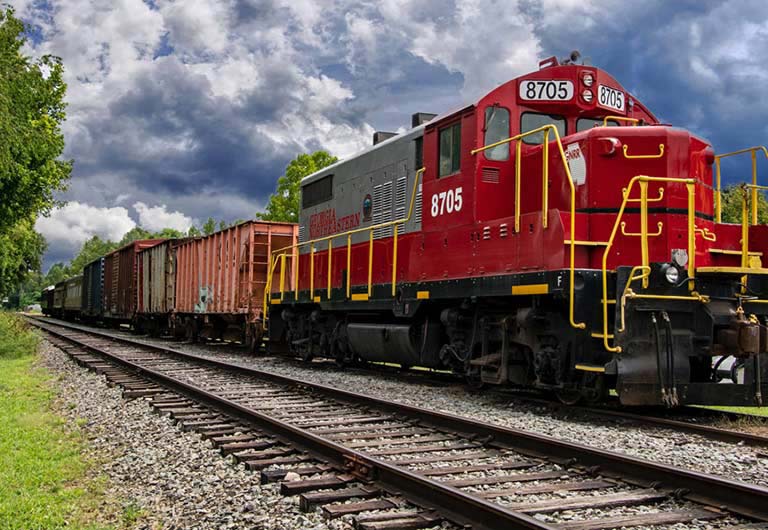
Full Container Load (FCL)
-
Suitable for large shipments requiring a full container.
-
Offers maximum security and control over goods during transit.
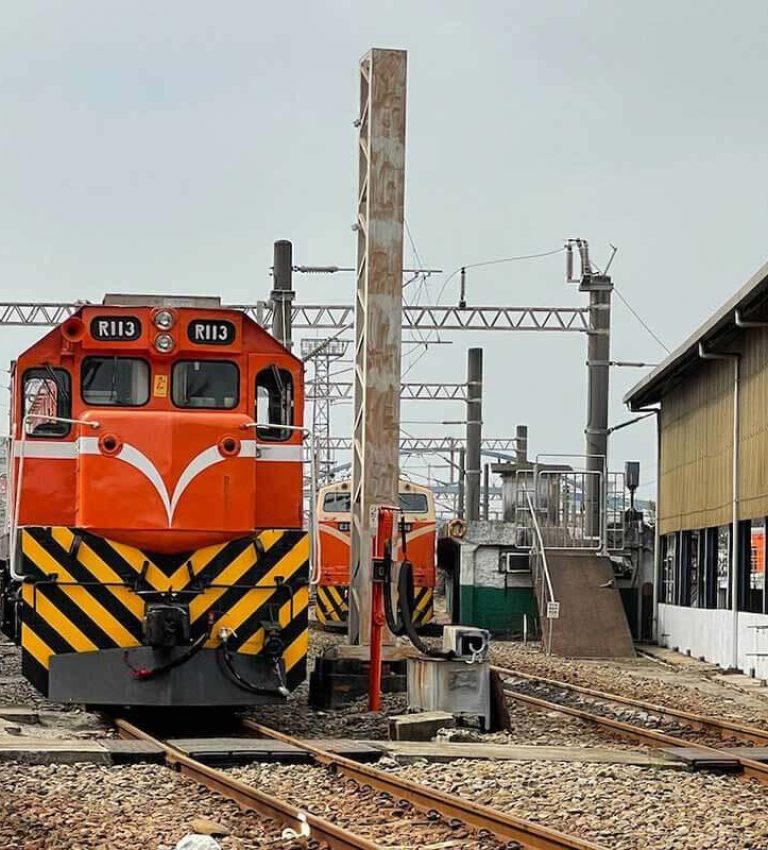
Less Than Container Load (LCL)
-
Ideal for smaller shipments that share container space with other consignments.
-
Cost-efficient for businesses with lower shipping volumes.
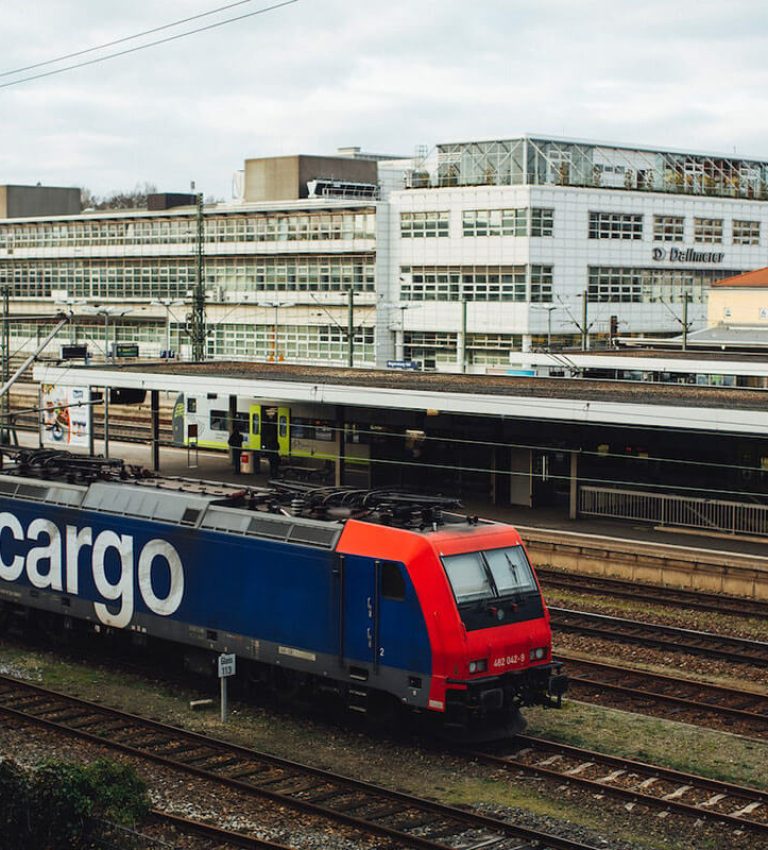
Special Rail Carriages
-
Designed for oversized or irregularly shaped cargo, such as machinery or construction equipment.
-
Ensures safe transport of goods that cannot fit into standard containers.
3. Popular Rail Freight Routes
China’s rail network connects with major international markets, enabling efficient delivery across continents.
3.1 China to Europe
- This route is one of the busiest, connecting cities like Shanghai, Chengdu, and Xi’an to European hubs such as Hamburg, Duisburg, and Rotterdam.
- Faster and more reliable than sea freight, this route is pivotal for Sino-European trade.
3.2 China to Russia and Central Asia
- The Eurasian rail network connects China to Russia and Central Asian countries like Kazakhstan and Uzbekistan.
- Ideal for energy equipment, industrial goods, and consumer products.
3.3 The New Silk Road
- Northern Corridor: Travels through Mongolia and Russia.
- Central Corridor: Passes through Kazakhstan into Eastern Europe.
- Southern Corridor: Links Western China to Europe via Central Asia and Turkey.
4. Rail Freight vs. Sea and Air Freight
| Mode | Transit Time | Cost | Best For |
|---|---|---|---|
| Air | 1–5 days | High | Small, urgent shipments |
| Sea | 40–50 days | Low | Very large, non-urgent shipments |
| Rail | 16–20 days | Moderate | Large shipments needing faster transit |
Air Freight: Best for urgent but small shipments; very costly for large volumes.
Sea Freight: Ideal for non-urgent, bulky goods but significantly slower.
Rail Freight: Offers the perfect balance of speed and affordability, ideal for businesses looking to optimize costs without compromising on delivery times.
5. Key Considerations for Rail Freight
5.1 Secure Packaging
- Proper packaging ensures goods remain undamaged during transit.
- Containers are tightly secured to prevent shifting during long journeys.
5.2 Customs Clearance and Documentation
Ensure all required documents are accurate and complete, including:
- Invoices and packing lists.
- Certificates of origin.
- Specific product certifications, such as CE or CCC (if applicable).
Employing a customs broker can help streamline the process and avoid delays.
5.3 Track and Trace Services
Many rail freight providers offer tracking systems, allowing businesses to monitor their shipments in real time.
6. The Role of the New Silk Road
The New Silk Road project has revitalized rail freight between China and Europe, creating faster and more stable trade routes.
6.1 Benefits of the Silk Road Rail Network
- Reduced Transit Times: Efficient routes cut shipping times significantly.
- Economic Integration: Strengthens trade relationships between Asia and Europe.
- Trade Diversification: Provides reliable alternatives to congested sea routes.
7. Goods Commonly Shipped by Rail Freight
Rail freight accommodates a variety of goods, including:
- Electronics and consumer goods.
- Automotive parts.
- Industrial equipment and machinery.
- Furniture and home decor.
- Clothing and textiles.
8. Challenges and Solutions
While rail freight offers many benefits, some challenges remain:
8.1 Customs Delays
Differences in customs regulations across countries can slow down shipments.
Solution: Work with experienced freight forwarders to handle customs clearance.
8.2 Capacity Limitations
High demand for rail freight can lead to capacity shortages.
Solution: Plan shipments in advance and book early during peak seasons.
Conclusion
Rail freight services from China provide an optimal balance between cost and delivery time, making them a strategic choice for international trade. Businesses shipping large, time-sensitive goods can benefit from shorter transit times, cost savings, and reduced environmental impact.
By leveraging the growing rail infrastructure, such as the New Silk Road, companies can streamline logistics, expand their reach to European and Central Asian markets, and remain competitive in the global economy.
For businesses looking for reliable, efficient, and sustainable shipping solutions, rail freight is undoubtedly the way forward.