Sea Freight Shipping from China
Sea Freight Shipping from China
YOUR ULTIMATE SOLUTION FOR INTERNATIONAL TRANSPORT
Sea freight is one of the most important transportation methods used globally, especially for large and heavy shipments over long distances at affordable prices.
Types of Sea Freight Services from China
Sea freight services depend on the customer\'s needs and the type of goods being shipped. Here are the types of sea freight services:
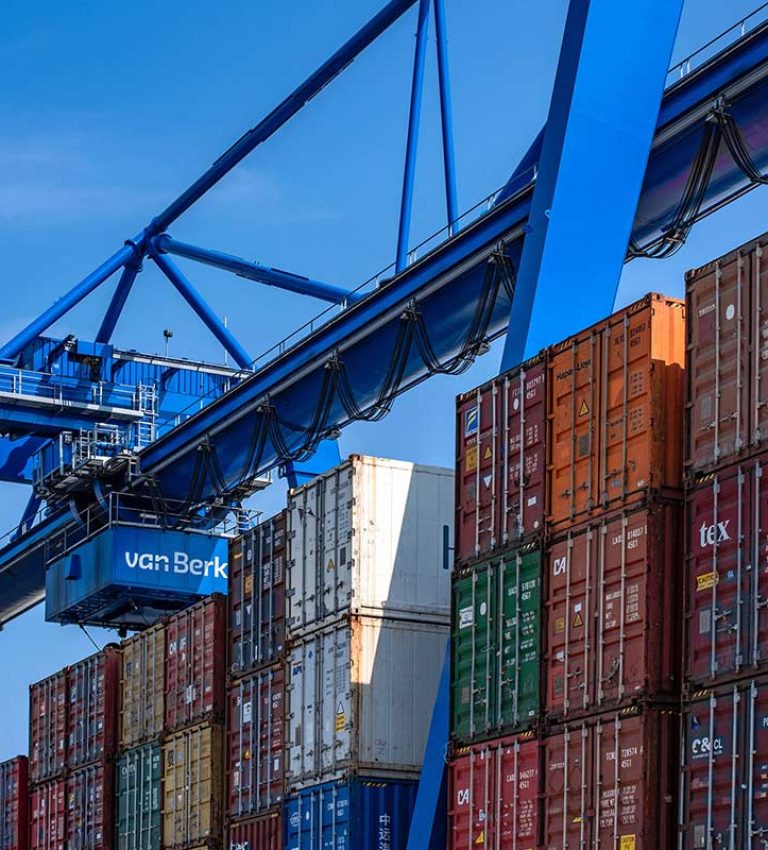
FCL (Full Container Load) Shipping
-
A full container is dedicated solely to your shipment.
-
Ideal for businesses shipping large quantities of goods at once.
-
Provides increased cargo protection and reduced handling.
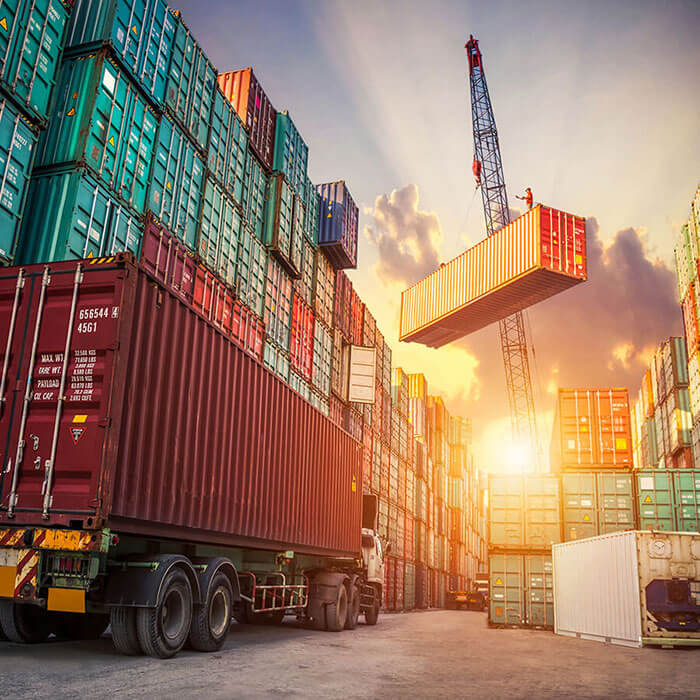
LCL (Less than Container Load) Shipping
-
Your goods are grouped with others in the same container.
-
Ideal for businesses that dont fill an entire container.
-
Advantage: Reduced costs compared to booking a full container.
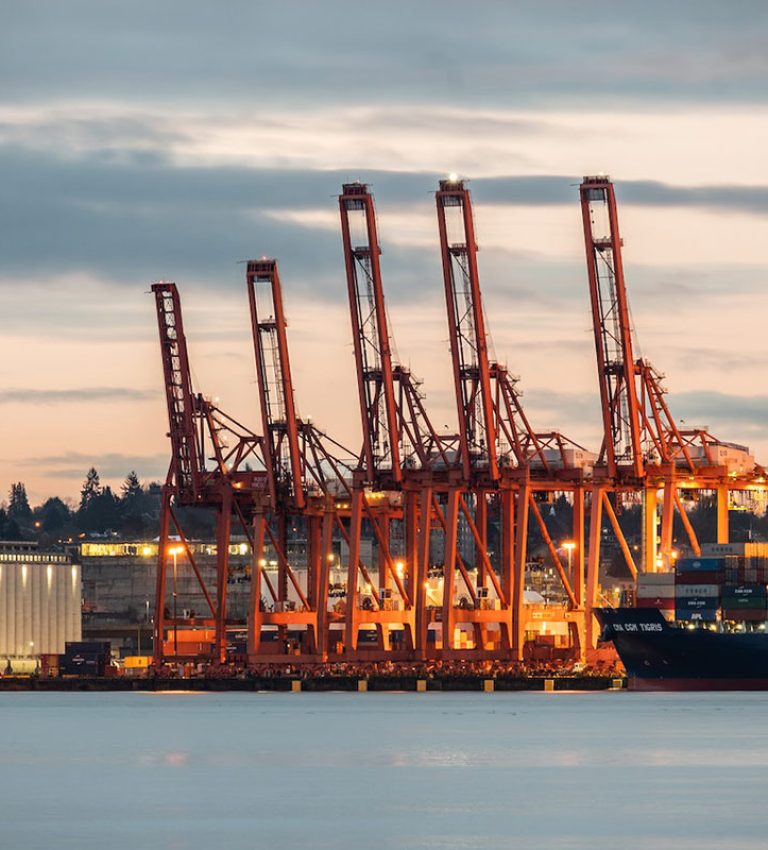
Bulk Cargo Shipping
-
Used to transport raw materials in large quantities, such as coal, metals, and grains.
-
Specialized bulk carriers are used to transport such goods.
OOG (Out of Gauge) Shipping
-
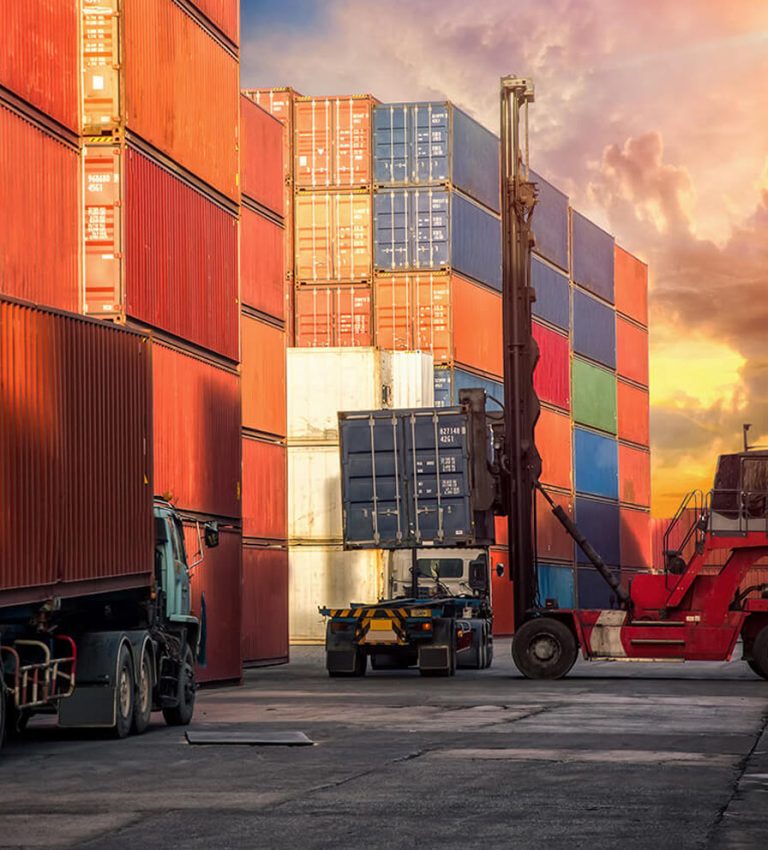
Suitable for oversized goods or cargo that does not fit within standard container dimensions, such as machinery and heavy equipment.
-
Specialized containers are used to accommodate these items.
Roll-On Roll-Off (RoRo) Shipping
-
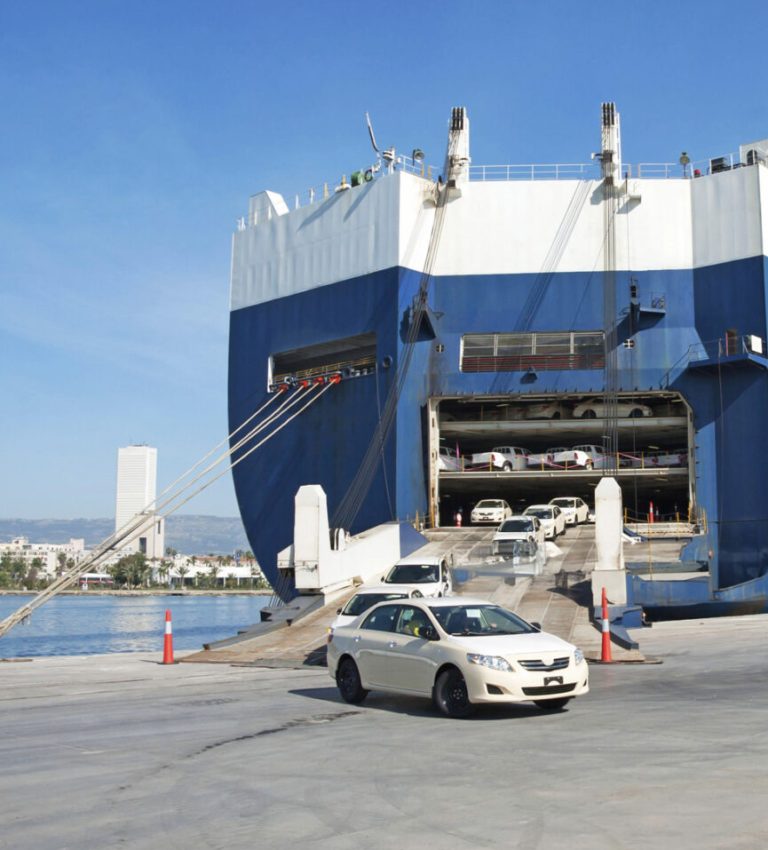
Vehicles such as cars, trucks, and heavy equipment are loaded onto ships using ramps.
-
Ideal for shipping vehicles and large equipment.
2. Advantages and Disadvantages of Sea Freight
Advantages and Disadvantages of Sea Freight
Advantages:
-
1. Cost-Effectiveness:
- Sea freight is the most economical method, especially for large or heavy shipments.
- It offers substantial savings compared to air freight.
-
2. Ideal for Bulky and Heavy Goods:
- Sea freight is ideal for heavy items like machinery, industrial equipment, and raw materials.
- Cargo ships can carry large amounts at a fraction of the cost of air freight.
-
3. Security and Safety of Goods:
- Special containers and careful loading procedures ensure goods are transported safely.
- The risk of damage is minimized with proper handling.
-
4. Environmentally Friendly:
- Sea freight has a much lower carbon footprint than air freight.
- It is a more sustainable option for businesses focused on reducing their environmental impact.
Disadvantages:
-
1. Longer Transit Times:
- Sea freight takes weeks to reach its destination compared to the days it takes air freight.
- While slower, the significant cost savings often make it a preferable choice for non-urgent shipments.
-
2. Piracy Risks:
- In some regions, piracy can pose a threat to goods in transit.
- However, modern security measures, including tracking systems and tighter port controls, mitigate these risks.
-
3. Risk of Ship Accidents:
- Although rare, accidents such as shipwrecks can lead to the loss of cargo.
- Shipping companies implement safety measures to minimize the risk of accidents and protect your goods.
3. Air Freight vs. Sea Freight – A Detailed Comparison
Key Differences Between Air and Sea Freight:
-
1. Cost:
- Sea freight is significantly cheaper for larger shipments, especially for bulky or heavy items.
- Air freight is faster but more expensive, making it ideal for small, urgent shipments.
-
2. Speed:
- Air freight is the fastest, delivering goods in just a few days.
- Sea freight takes longer (typically weeks) but is ideal for non-urgent shipments.
-
3. Reliability:
- Sea freight is reliable when it comes to cost consistency and availability of space, especially for large shipments.
- Air freight is more susceptible to delays due to weather or airline schedules but is generally more timely.
4. Major Ports in China – Choose the Best Port for Your Shipment
China has several key ports that are essential gateways for sea freight:
-
1. Port of Shanghai:
- The largest and busiest port in the world.
- Offers extensive facilities and infrastructure for both imports and exports.
-
2. Port of Guangzhou:
- Another key port in southern China.
- Ideal for shipments to and from Southeast Asia.
5. Understanding International Shipping Incoterms
Incoterms (International Commercial Terms) define the responsibilities of the buyer and seller in the shipping process. Some common terms include:
-
1. FOB (Free on Board):
- The seller is responsible for transportation to the port and loading goods onto the ship.
- The buyer takes responsibility for the goods once they are loaded onto the vessel.
-
2. CIF (Cost, Insurance, and Freight):
- The seller covers the cost, insurance, and freight charges up to the destination port.
-
3. EXW (Ex Works):
- The seller makes the goods available at their premises, and the buyer is responsible for all further shipping arrangements and costs.
6. Sea Freight Shipping Process from China
Here's the typical process for sea freight shipping from China:
-
1. Preparation of Goods:
- Goods are packed and prepared for shipping, often in containers according to size and type.
-
2. Transport to the Port:
- Goods are transported to the port by road or rail.
-
3. Customs Clearance in China:
- Customs procedures are completed to ensure the goods can legally leave China.
-
4. Loading onto the Ship:
- The goods are carefully loaded onto the ship for transport.
-
5. Sea Transport:
- The goods are shipped across the ocean to the destination port.
-
6. Unloading at the Destination Port:
- Upon arrival, goods are unloaded and go through customs clearance at the destination.
-
7. Delivery to Final Destination:
- Goods are transported to the final destination, either a warehouse or customer location.
7. Key Shipping Documents
Essential documents for sea freight include:
-
•
Bill of Lading (BOL) A contract between the shipper and the carrier for transporting goods.
-
•
Commercial Invoice A document detailing the value and specifics of the goods.
-
•
Packing List A detailed list of the items being shipped, including weight and dimensions.
-
•
Certificate of Origin (C/O) A document confirming the origin of the goods, necessary for customs clearance.
Frequently Asked Questions (FAQs)
1. Which port should I choose for importing from China?
- Ports like Shanghai, Guangzhou, and Shenzhen are the most commonly used for efficient shipping.
2. Can I consolidate shipments from different suppliers?
- Yes, we offer consolidated shipping services where goods from multiple suppliers are combined into one shipment to save on costs.
3. How much does it cost to import goods from China?
- The cost depends on several factors, including weight, type of cargo, and destination port.
Conclusion
Sea freight remains the most reliable and cost-effective solution for international shipping, especially for large and heavy shipments. Whether you're shipping FCL (Full Container Load), LCL (Less-than-Container Load), or oversized cargo, we offer customized solutions to ensure your goods reach their destination safely and affordably.
GET QUICK QUOTE ❯